Priority Support
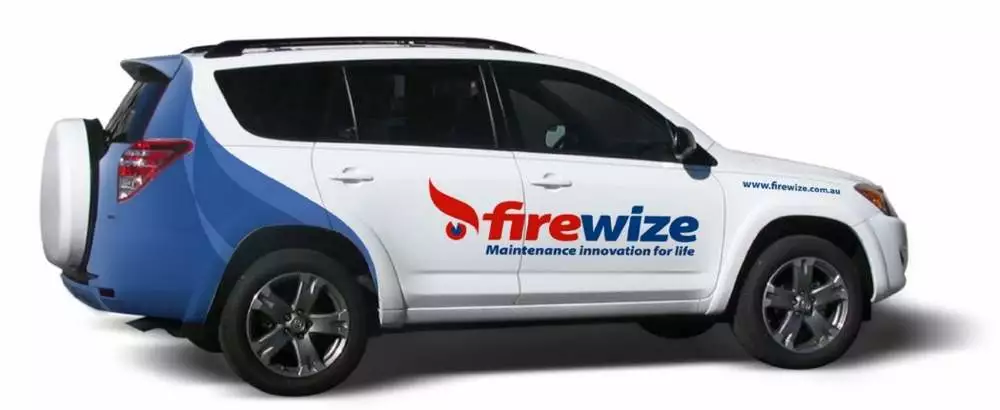
We help Building Owners & Managers maintain the fire systems in buildings to keep the occupants and building safe from fire.
Firewize provides a diverse range of services, carried out by our in-house team of technicians and engineers.
Our range of maintenance services include automatic fire sprinkler systems, fire detection & alarm systems, portable fire extinguishers, fire smoke & exit doors, fire hydrant systems, fire hose reels, emergency lights and exit signs.
For the past decade, Firewize has maintained an unparalleled record of innovation in fire safety.
Our systemised approach, using technology and business process engineering in every aspect of our business enables us to measure, monitor and manage our performance, ensuring consistently reliable service!
The design and engineering of fire protection systems and equipment requires practical experience with specialised skills. Firewize has a decade of experience in working with discerning building owners to develop innovative solutions to simple and complicated fire safety problems.
If you are seeking more information about the products and services we provide, you can contact us by telephone on 1300 30 88 22 or sending us an email via our contact form.
We provide great products and deliver exceptional service to save people from fire.
Expert advice anytime for anything you need.